Experiential Therapy in Colorado
Experiential therapy offers a hands-on approach to addiction treatment, helping individuals develop self-awareness, strengthen coping skills, and build confidence through meaningful activities. At Spero Recovery in Evergreen, Colorado, experiential therapy incorporates outdoor adventures and guided experiences into a comprehensive approach to recovery from substance use disorders.
Surrounded by the Rocky Mountains, our program gives clients opportunities to step away from everyday distractions and focus on personal growth. Activities such as hiking, rock climbing, nature walks, and water-based adventures encourage reflection, teamwork, and resilience. Combined with clinical care and other evidence-based therapies, these experiences can help individuals develop practical skills they can carry into everyday life.
If you are exploring treatment options, learn more about our addiction treatment programs and how experiential therapy can complement the recovery process.

What Is Experiential Therapy?
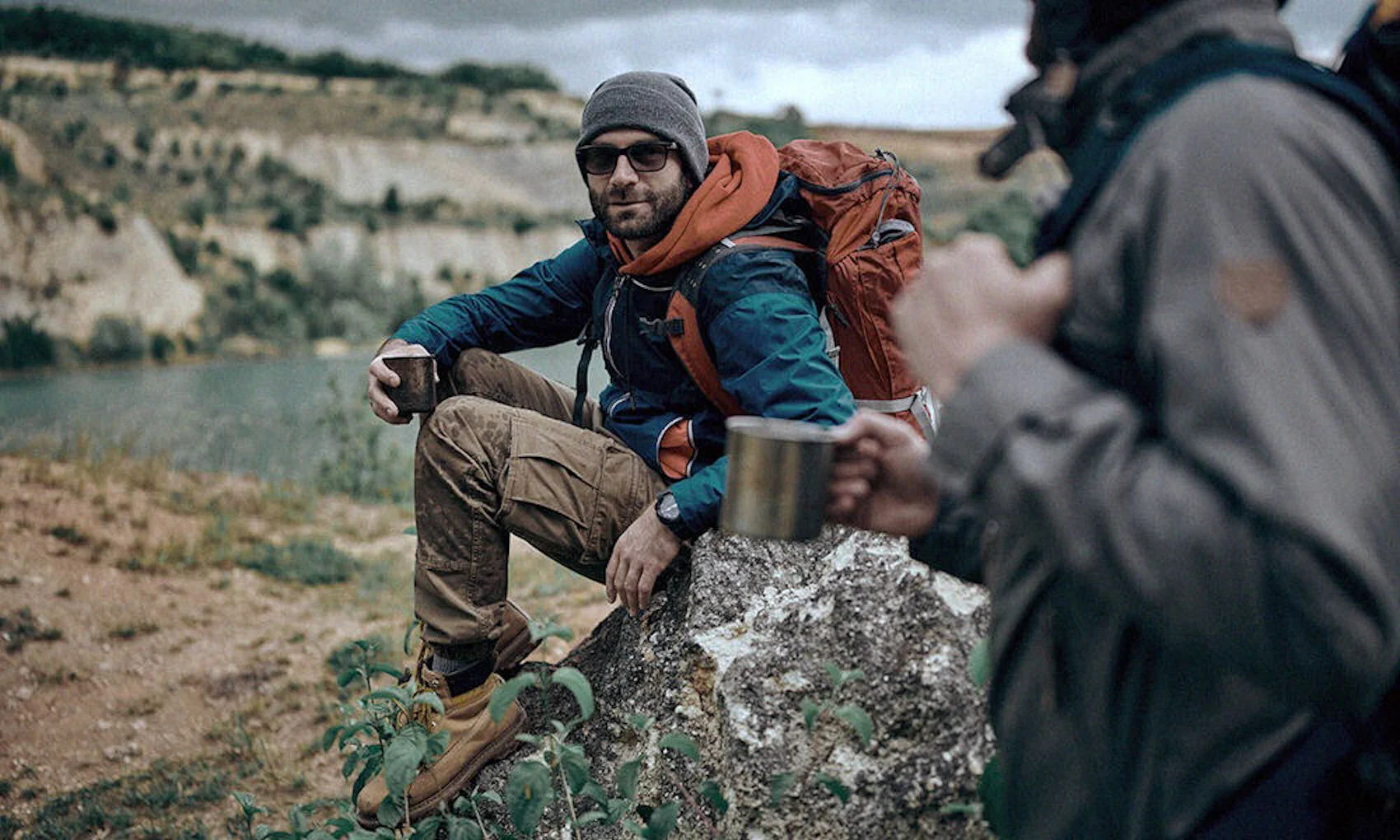
Experiential therapy is an approach to treatment that uses activities and real-life experiences to help people explore emotions, recognize behavioral patterns, and practice healthier ways of responding to challenges. Rather than relying exclusively on traditional addiction therapy, experiential approaches encourage participants to learn through active engagement and reflection.
At Spero Recovery, outdoor and adventure-based experiences provide opportunities to practice communication, problem-solving, accountability, and emotional regulation. Activities may include hiking, camping, rock climbing, and water-based adventures, depending on the program schedule and individual needs. Experiential therapy can be particularly valuable for people recovering from addiction because it creates opportunities to practice recovery skills outside a traditional therapy setting. For example, navigating a challenging hike may encourage patience and perseverance, while completing a group activity can reinforce trust and collaboration.
Experiential activities are most effective as part of a broader treatment plan. They complement clinical interventions and other addiction treatment services rather than replacing professional mental health care.

Talk With Our Team
No commitment, no judgment. Reach out and let's figure out the next step together.
Call (303) 900-3994 Or fill out our contact formHow Experiential Therapy Supports Addiction Recovery
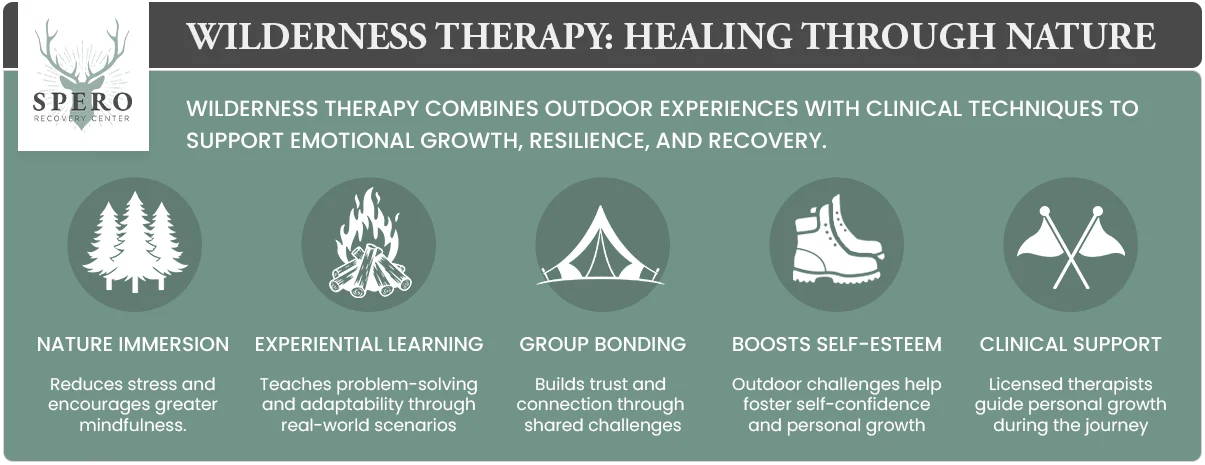
Addiction can affect emotional well-being, relationships, decision-making, and daily routines. Experiential therapy provides opportunities to address these challenges through structured activities, guided reflection, and supportive interactions.
Time outdoors can change the environment and offer a chance to step back from familiar stressors. Walking through the mountains or spending time in a peaceful natural setting may help participants slow down, manage stress, and become more aware of their thoughts and emotions.
These experiences can also create opportunities to identify situations that contribute to cravings or unhealthy coping patterns.
Recovery often involves learning to trust others and communicate more openly. Group-based experiential activities give participants opportunities to work alongside peers and treatment professionals in a supportive environment.
Through shared challenges and accomplishments, individuals can practice asking for help, expressing concerns, and offering encouragement. These skills can strengthen relationships and support a healthier recovery community.
Addiction may be associated with difficult emotions, unresolved experiences, or behavioral patterns that are challenging to recognize. Experiential activities can bring these responses into focus by placing participants in situations that require patience, decision-making, or emotional awareness.
With guidance from treatment professionals, individuals can reflect on their reactions, recognize areas for growth, and explore healthier responses to stress and frustration.
Completing a challenging activity can help participants recognize their abilities and develop confidence in their capacity to handle discomfort or uncertainty.
Whether working through a difficult trail or contributing to a group challenge, individuals have opportunities to practice persistence and problem-solving. These experiences may help reinforce the belief that setbacks can be managed without returning to substance use.
Group activities encourage participants to listen to others, share responsibilities, resolve disagreements, and work toward common goals. These experiences can help individuals identify communication habits that may affect their relationships.
Learning to cooperate and accept support can be particularly valuable for people rebuilding relationships during recovery.
Outdoor experiences can encourage mindfulness by directing attention toward the present moment. Participants may become more aware of their surroundings, physical sensations, and emotional responses.
When incorporated into a broader treatment plan, these experiences can reinforce coping strategies for managing stress, difficult emotions, and cravings. Individuals can also explore additional strategies for preventing relapse.
Addiction can disrupt daily routines and interfere with personal responsibilities. Structured experiential activities provide opportunities to practice planning, following through on commitments, and making responsible decisions.
Participants can apply these skills to everyday responsibilities, including maintaining healthy routines, managing stress, and building supportive relationships.
The benefits of experiential therapy vary by individual. Treatment should reflect each person’s needs, goals, and clinical circumstances, with activities adapted to their abilities and progress.
Experiential Therapy Activities at Spero Recovery Center
Located in Evergreen, CO, Spero Recovery Center incorporates outdoor experiences into its approach to addiction recovery. These activities provide opportunities to practice coping skills, build confidence, and connect with others while enjoying Colorado’s natural surroundings.
Activities may vary based on the season, weather, program schedule, and individual needs.
Guided hikes offer opportunities for physical activity, reflection, and time away from everyday distractions. Moving through mountain trails can encourage participants to slow down, focus on the present, and work through challenges one step at a time.
Hiking can also provide opportunities to practice perseverance and recognize progress toward a goal.
Nature walks encourage participants to engage with their surroundings and practice mindfulness. Paying attention to the sights, sounds, and sensations of the natural environment can create space for reflection and stress management.
These experiences can also support conversations about emotional awareness and healthy coping strategies.
Rock climbing presents physical and mental challenges that require preparation, concentration, and problem-solving. With appropriate instruction and safety precautions, participants can practice setting goals, managing uncertainty, and accepting support from others.
The experience of working toward a difficult goal may help reinforce confidence and persistence in recovery.
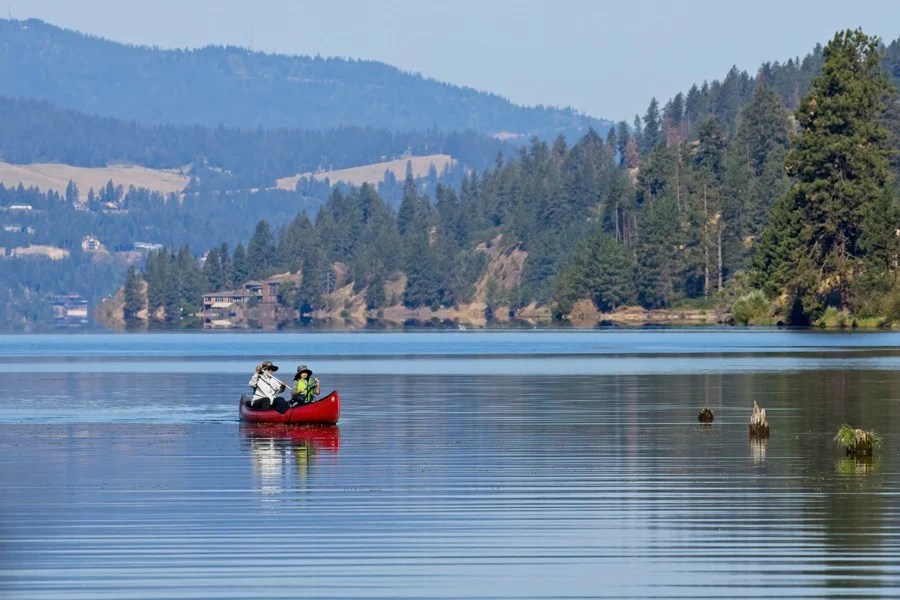
Depending on the program schedule and conditions, outdoor experiences may include whitewater rafting, river surfing, canoeing, and other water-based activities.
These group experiences can encourage communication, cooperation, and adaptability. Participants must pay attention to instructions, coordinate with others, and respond to changing circumstances while following appropriate safety guidelines.
Additional activities may include camping, skiing, and other outdoor challenges when appropriate. These experiences offer opportunities to practice planning, responsibility, and teamwork in different settings.
The goal is not simply to complete an adventure. It is to reflect on the experience and identify lessons that can support healthier choices, stronger relationships, and continued recovery.
What Are the Benefits of Experiential Therapy in Colorado?
Experiential therapy can support recovery by creating opportunities to practice skills in meaningful, real-world situations. Colorado’s mountain environment provides a setting for outdoor activities that encourage personal development alongside structured treatment.
Activities such as hiking, climbing, and other outdoor adventures provide opportunities for movement and exercise. Regular physical activity can support overall health and may contribute to improved mood and sleep.
Activities should be adapted to each participant’s physical abilities and health needs.
Time in nature and participation in structured activities may help some individuals manage stress and improve their sense of well-being. Guided reflection can also help participants recognize emotional triggers and explore healthier responses to difficult situations.
Experiential activities are not a substitute for mental health treatment, but they can complement clinical approaches as part of dual diagnosis treatment in Colorado for individuals experiencing co-occurring mental health concerns.
Outdoor experiences can provide opportunities to practice decision-making, problem-solving, communication, and accountability. Group challenges may also help participants develop cooperation and conflict-resolution skills.
These abilities can support the process of rebuilding relationships and establishing healthier routines after treatment. Learn more about how helping others can support recovery.
Isolation can make recovery more difficult, while supportive relationships can help individuals feel understood and encouraged. Group-based experiences create opportunities to connect with peers, practice interpersonal skills, and develop a sense of belonging.
These connections can reinforce the importance of seeking support and maintaining healthy relationships throughout recovery.
Stepping away from familiar environments may give participants space to examine routines, relationships, and situations associated with substance use. This change of setting can make it easier to focus on treatment goals and consider new approaches to everyday challenges.
However, avoiding triggers temporarily is only one part of recovery. Learning to recognize and manage triggers in daily life remains important for maintaining progress over time.
Why Choose Spero Recovery Center for Experiential Therapy?

Spero Recovery Center in Evergreen, Colorado, incorporates experiential activities into a broader approach to addiction treatment. The natural surroundings of the Rocky Mountains provide opportunities for outdoor engagement, while structured programming helps clients connect their experiences to personal recovery goals.
Our approach combines experiential activities with the 12-Step Model and clinical support to help individuals work toward lasting recovery. Outdoor challenges can provide opportunities to strengthen confidence, practice communication, and develop healthier responses to stress.
Recovery also involves preparing for life beyond a structured treatment environment. Spero offers aftercare services to support the transition into everyday life and help individuals continue working toward their recovery goals. Every person’s experience with addiction is different. Our team can help you explore treatment options and determine whether experiential therapy may be an appropriate part of your recovery plan.

Start Your Recovery Journey at Spero Recovery Center
You do not have to navigate addiction alone. If you are looking for treatment in Colorado, Spero Recovery Center can help you learn more about available services and the role experiential activities may play in your recovery.
Contact Spero Recovery Center to discuss your options. There is no judgment or obligation to commit. We are here to help you explore the next step.

With over two decades of experience since beginning his career in 1996, Marty has worked extensively across the United States, contributing significantly to clinical leadership teams at multiple reputable organizations including The Hazelden Betty Ford Foundation and the Caron Foundation. Marty’s commitment to patient care has established him as a pillar within the national behavioral health treatment community. He frequently collaborates with industry leaders to discuss and advance treatment strategies. Throughout his career, Marty has successfully managed, developed, and implemented specialized services in behavioral health, mental health, and addiction treatment.