
Family Therapy Program for Addiction in Colorado
Addiction not only affects the person struggling with substance use. It reaches into every corner of family life, straining relationships, breaking trust, and creating patterns that can make recovery harder for everyone involved. Family therapy for addiction is a structured, evidence-based approach that brings loved ones into the recovery process, helping families heal together rather than apart. Research from the Substance Abuse and Mental Health Services Administration (SAMHSA) shows that family involvement in addiction treatment significantly improves long-term recovery outcomes and reduces the risk of relapse. At Spero Recovery Center in Colorado, family therapy is a core part of the men’s residential treatment experience, designed to rebuild relationships and support lasting sobriety.
Spero Recovery Center is committed to providing compassionate, affordable, and effective addiction treatment for men in Colorado. Every program is built around the belief that recovery is stronger when families are involved. This page explains how family therapy for men works, why it matters, and how Spero Recovery supports both men in treatment and the families who love them.


Understanding Family Therapy for Addiction Recovery in Colorado
Family therapy for addiction is one of the most effective tools available in the recovery process. It addresses not just the individual, but the entire family system that has been affected by substance use. The sections below explain what family therapy is, why addiction is considered a family disease, and why family involvement matters.
Family therapy for addiction is a structured counseling approach that includes family members as active participants in the recovery process. A licensed therapist guides sessions focused on communication, relationship repair, and building a healthier home environment.
Unlike individual therapy, family therapy addresses the relational patterns that can contribute to or sustain addictive behavior. It helps families understand addiction as a medical condition rather than a moral failure.
Addiction is called a family disease because its effects extend far beyond the individual. When one person struggles with substance use, every member of the household is impacted emotionally, financially, and psychologically.
Family members may develop unhealthy coping patterns such as enabling, codependency, or emotional withdrawal. These patterns can unintentionally make it harder for a loved one to seek or maintain recovery.
According to the National Institute on Drug Abuse (NIDA), treatment programs that include family therapy show higher rates of treatment completion and long-term sobriety. Family involvement creates a support system that reinforces the skills learned in treatment.
When families participate in therapy, they gain tools to support recovery without enabling harmful behavior. This balance is essential for creating a home environment where lasting change is possible.

Talk With Our Team
No commitment, no judgment. Reach out and let's figure out the next step together.
Call (303) 900-3994 Or fill out our contact formHow Addiction Impacts Family Relationships in Colorado
Substance use disorders create significant damage within family systems, often leaving lasting emotional wounds. Understanding how addiction affects relationships is the first step toward healing.
Spouses and partners often experience anxiety, depression, and a loss of trust when a loved one struggles with addiction. Parents may feel guilt or shame, while children can develop emotional and behavioral problems as a result of instability at home. These effects can persist long after a person enters treatment. Family therapy helps address the emotional damage that has accumulated over time.
Addiction often leads to dishonesty, broken promises, and emotional unavailability. Over time, these behaviors erode communication and create distance between family members. Family members may stop expressing their needs out of fear of conflict or relapse. Therapy provides a safe space to rebuild honest, open communication.
Trust is one of the first casualties of addiction. Family members may feel unsafe, uncertain, or constantly on edge waiting for the next crisis. Codependency—where a family member becomes overly focused on managing a loved one’s behavior—is a common response. Family therapy helps identify and address these patterns so that healthier dynamics can develop.
Goals of Family Therapy for Men in Addiction Recovery
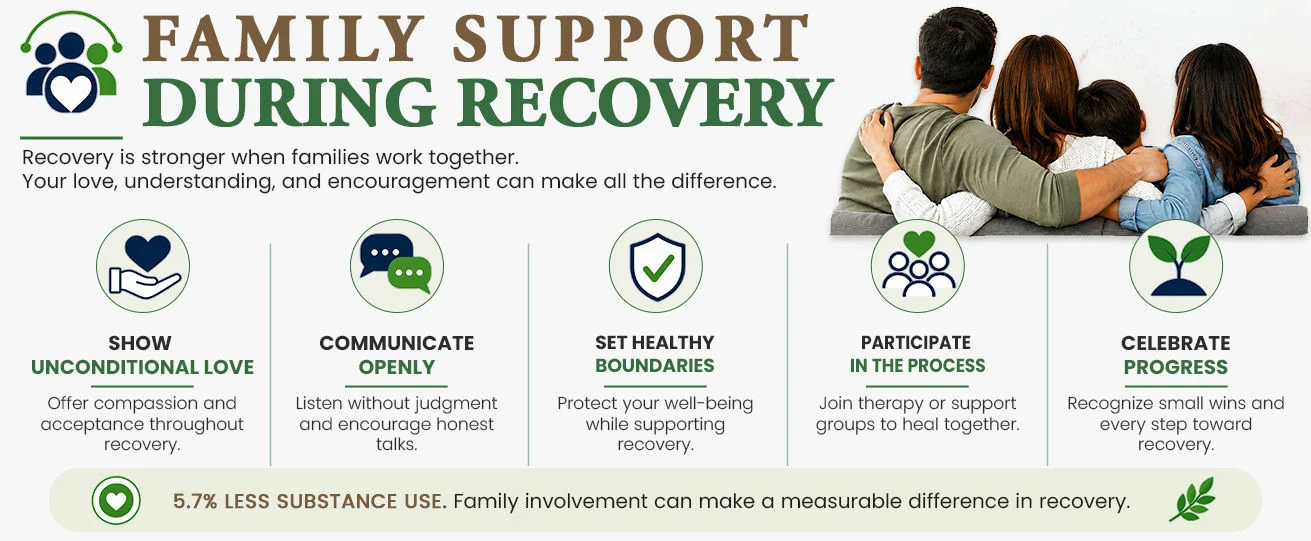
Family therapy for men in addiction recovery is focused on practical, measurable outcomes. It is not just about talking through problems; it is about building new skills and healthier ways of relating. The goals below reflect what structured family therapy aims to achieve.
One of the primary goals of family therapy is rebuilding trust that has been damaged by addiction. This process takes time and requires consistent, honest behavior from the person in recovery. Therapy sessions create structured opportunities for accountability, where men can acknowledge the harm caused and begin making amends in a supported environment.
Many men in recovery have never learned healthy communication skills. Family therapy teaches both the individual and their loved ones how to express needs, set boundaries, and listen without defensiveness.
Emotional processing is also a key focus, helping family members work through grief, anger, and fear in constructive ways.
Healthy boundaries are essential for recovery and for the well-being of every family member. Therapy helps families define what is and is not acceptable, creating clarity and reducing conflict. Boundaries protect both the person in recovery and their loved ones, making it easier to support sobriety without enabling harmful behavior.
What Families Learn in a Family Therapy Program for Addiction

A family therapy program for addiction equips families with the knowledge and skills they need to support recovery effectively. Education is a central component, helping loved ones understand what they are dealing with and how to respond.
Families learn that addiction is a chronic brain disorder, not a choice or a character flaw. This shift in understanding reduces blame and opens the door to compassion. Learning about the stages of recovery also helps families set realistic expectations and respond more effectively to setbacks.
Enabling behaviors, such as covering up consequences or providing money that funds substance use, can unintentionally prolong addiction. Families learn to recognize these patterns and replace them with healthier responses. Addressing enabling is not about blame; it is about empowering families to make changes that support real recovery.
Resentment is a natural response to the pain caused by addiction. Family therapy provides tools for processing these feelings without letting them derail the recovery process. Setting clear, consistent boundaries helps reduce resentment over time by creating a sense of fairness and safety within the family.
Common Challenges Families Face During Addiction Recovery
Recovery is not a straight line, and families often face significant challenges along the way. Understanding these challenges in advance can help families prepare and respond more effectively.
Family members often carry guilt about whether they contributed to their loved one’s addiction. Blame, both self-directed and toward others, can create conflict and slow the healing process. Therapy helps families work through these emotions in a structured, supportive environment, reducing their power over family dynamics.
Fear of relapse is one of the most common concerns families face during recovery. This fear can lead to hypervigilance, controlling behavior, or emotional withdrawal. Family therapy teaches loved ones how to manage this fear while still supporting the person in recovery. It also helps families understand that relapse, if it occurs, does not mean treatment has failed.
Many families want to help but are unsure what meaningful support looks like in practice. There is a fine line between being supportive and being enabling, and it can be difficult to navigate without guidance.
Therapy provides clear, practical strategies for offering support in ways that reinforce recovery rather than undermine it.
Evidence-Based Family Therapy Approaches in Colorado
Spero Recovery uses evidence-based approaches to family therapy that are grounded in research and proven to improve outcomes. These methods are structured, goal-oriented, and designed to address the specific challenges families face during addiction recovery.
Behavioral family therapy focuses on changing the patterns of interaction that contribute to substance use and family dysfunction. It uses practical exercises and skill-building to create new, healthier habits.
Psychoeducation provides families with accurate information about addiction, treatment, and recovery, reducing stigma and increasing understanding.
Communication skills training teaches family members how to express themselves clearly and listen actively. These skills reduce conflict and create a foundation for honest, productive conversations.
Improved communication is one of the strongest predictors of long-term recovery success within family systems.
Relapse prevention planning involves identifying triggers, warning signs, and response strategies before a crisis occurs. Families learn their role in this plan and how to respond effectively if warning signs appear.
Setting realistic recovery expectations helps families stay engaged and avoid discouragement over the long term.
The Family Therapy Program at Spero Recovery Center

Spero Recovery Center offers a structured family therapy program as part of its comprehensive men’s residential treatment services in Colorado. The program is designed to involve families in meaningful ways while providing professional guidance and support throughout the recovery journey.
The family therapy program at Spero Recovery is integrated into the overall treatment plan for each client. Families are invited to participate in scheduled sessions led by licensed therapists who specialize in addiction and family systems. The program is structured to progress alongside the client’s individual treatment, ensuring that family work supports and reinforces the skills being developed in other areas of care.
Sessions are facilitated by experienced clinicians who guide conversations in a safe, respectful environment. The therapist helps manage difficult emotions and keeps sessions focused on healing and progress. Professional guidance ensures that family sessions are productive rather than retraumatizing, creating space for honest dialogue and meaningful change.
In addition to therapy sessions, Spero Recovery provides educational resources to help families understand addiction and the recovery process. This education empowers families to make informed decisions and respond effectively to challenges. Ongoing support services help families stay connected to the recovery process even after formal treatment ends, reinforcing the gains made during residential care.
Family therapy for men in recovery offers a range of meaningful benefits, including:
- Stronger motivation to maintain sobriety
- Increased accountability within relationships
- Improved emotional regulation and communication
- Reduced isolation and shame
- Greater long-term recovery stability
Spero Recovery’s group therapy services complement family therapy by building community and accountability alongside relational healing.
Supporting a Loved One After Addiction Treatment in Colorado
Recovery does not end when residential treatment is complete. Families play a critical role in supporting long-term sobriety after a loved one returns home. The sections below offer guidance on how to provide effective support during this transition.
Healthy communication and clear boundaries do not stop being important after treatment ends. Families should continue using the skills learned in therapy to navigate daily life and resolve conflicts constructively. Consistent boundaries help maintain the structure and safety that support ongoing recovery.
Supporting recovery means encouraging independence rather than managing every aspect of a loved one’s life. Families can offer emotional support while allowing the person in recovery to take ownership of their sobriety. This balance helps build confidence and self-efficacy, which are essential for long-term success.
Families should participate in therapy as early as possible in the treatment process. Early involvement allows families to begin healing alongside their loved one rather than waiting until problems escalate.
Family therapy is appropriate for spouses, partners, parents, adult children, and any close support person who has been affected by a loved one’s addiction.
Begin Family Therapy in Colorado

Healing from addiction is possible, and families do not have to navigate this journey alone. Spero Recovery Center in Colorado offers a compassionate, structured family therapy program for addiction that supports both men in recovery and the families who love them. Taking the first step toward family healing is one of the most powerful things a family can do to support lasting sobriety.
How to Start Family Therapy at Spero Recovery Center
Starting family therapy at Spero Recovery begins with reaching out to the admissions team. Families can call or contact the center online to learn more about the program and how to get involved in their loved one’s treatment. The process is straightforward and supportive, designed to make it as easy as possible for families to take that first step toward healing.
Contact Spero Recovery Center and Next Steps for Families
Spero Recovery Center is ready to help families in Colorado begin the healing process. Whether a loved one is just entering treatment or has already completed a residential program, it is never too late to start family therapy. Contact Spero Recovery today to learn more about available family therapy and addiction treatment programs, and take the next step toward recovery together.
Frequently Asked Questions About Family Therapy for Addiction in Colorado
Family therapy for addiction is a structured counseling approach that involves family members directly in the recovery process. It helps repair relationships, improve communication, and build a home environment that supports long-term sobriety.
Spouses, partners, parents, adult children, and close support persons are all welcome to participate in family therapy at Spero Recovery. The program is designed to include anyone who plays a meaningful role in a client’s life and recovery.
Session frequency is tailored to each client’s treatment plan and family needs. Families can speak with the Spero Recovery admissions team to learn more about scheduling and availability.
Families can expect structured, therapist-guided sessions focused on communication, education, and relationship repair. Sessions are designed to be safe, respectful, and productive for everyone involved.
Yes. Research consistently shows that family involvement in addiction treatment improves treatment completion rates, reduces relapse risk, and supports long-term recovery stability. SAMHSA identifies family therapy as one of the most effective components of comprehensive addiction treatment.
Spero Recovery Center supports families through structured therapy sessions, educational resources, and ongoing support services. The center is committed to helping families heal alongside their loved ones throughout every stage of the recovery process.