
Outdoor activities have become a powerful part of addiction recovery, offering men a hands-on way to heal beyond traditional talk therapy. When combined with structured treatment, nature-based experiences help build emotional strength, reduce stress, and create meaningful connections with others in recovery. These fun sober activities give men in recovery a healthy outlet to process emotions, develop new skills, and rediscover a sense of purpose. For men navigating substance abuse and co-occurring mental health conditions, the outdoors can become a place of genuine transformation.

Spero Recovery, located in Evergreen, Colorado, integrates outdoor experiential therapy into its men’s residential program to support whole-person healing. Colorado’s mountain setting provides a natural backdrop for year-round activities that reinforce the recovery process in meaningful ways. Whether a man is just beginning his journey or working to maintain long-term sobriety, outdoor therapy offers tools that carry far beyond the treatment setting.

What Is Experiential Therapy in Addiction Recovery?

Experiential therapy is a treatment approach that uses activities, rather than conversation alone, to help individuals explore emotions, trauma, and behavioral patterns. It may include outdoor adventures, creative arts, or role-playing exercises guided by a licensed therapist.

In addiction recovery, this method helps men access feelings that are difficult to express verbally. By engaging the body and mind together, experiential therapy supports deeper emotional processing and lasting behavioral change.

The Importance of Engaging in Fun Sober Activities for Lasting Recovery

Fun sober activities replace the role that substances once played in providing excitement, relief, or social connection. Without healthy alternatives, the risk of relapse increases significantly during early recovery.

Outdoor activities offer a sustainable source of enjoyment and fulfillment. They help men build an identity rooted in health and community rather than substance use, which is essential for long-term sobriety.

What Role Do Outdoor Activities Play in Experiential Therapy?

man hiking through the Colorado mountains during outdoor experiential therapy

Outdoor activities serve as a therapeutic tool when guided by trained professionals within a structured recovery program. They address emotional, social, and physical dimensions of healing simultaneously.

Nature-based activities challenge men to step outside their comfort zones in a safe, supported environment. Overcoming physical challenges in nature mirrors the emotional challenges of recovery, reinforcing the belief that growth is possible.

Each completed activity builds confidence and self-efficacy: two qualities that are often diminished by addiction. Over time, these experiences accumulate into a stronger sense of self and a greater capacity to handle life’s difficulties without substances.

Group outdoor activities create shared experiences that naturally build trust and camaraderie. For men in recovery, these bonds are a critical protective factor against relapse.

Isolation is a common struggle in addiction, and group experiences in nature directly counter that pattern. Working together toward a common goal, whether reaching a summit or paddling across a lake, reinforces the value of community in recovery.

Physical activity is consistently linked to improved mood, reduced anxiety, and better sleep, all of which support recovery. Regular outdoor movement helps regulate the brain’s reward system, which is often disrupted by substance use.

Active sober living also establishes healthy routines that provide structure and purpose. For men in residential treatment, daily outdoor activity becomes a cornerstone of a balanced, sober lifestyle.

Examples of Outdoor Fun Sober Activities

Outdoor experiential therapy at Spero Recovery encompasses a wide range of activities designed to challenge the body, quiet the mind, and build meaningful connections with peers. These activities are not simply recreational; they are intentionally selected and facilitated by trained clinicians to support specific therapeutic goals, from building confidence and trust to developing mindfulness and emotional regulation.

Hiking and nature walks are among the most accessible and widely used outdoor activities in experiential therapy, requiring no special equipment and adaptable to any fitness level. Hiking can improve cardiovascular health, reduce stress hormones, and boost mood through the release of endorphins.

For men in recovery, regular hikes provide a consistent, low-barrier way to stay active and mentally grounded, and the rhythm of walking supports mindfulness by helping men stay present rather than dwelling on past regrets or future anxieties. Group hikes also build accountability and shared purpose, creating positive memories associated with sobriety and helping men develop a social identity that does not revolve around substance use.

Rock climbing and ropes courses bring a higher level of physical and mental challenge to experiential therapy, making them particularly effective for building confidence, trust, and emotional regulation under pressure. Rock climbing requires focus, problem-solving, and the ability to manage fear, all skills that directly translate to recovery, and each successful climb reinforces the belief that obstacles can be overcome with effort and support. For men who have struggled with low self-worth due to addiction, the tangible achievement of reaching the top of a climb provides concrete evidence of capability and growth, which can be profoundly healing.

Water-based activities bring a unique dimension to experiential therapy, combining physical engagement with the calming effects of being near and on the water, and Colorado’s rivers and lakes provide an ideal setting for these experiences. Kayaking, canoeing, and paddleboarding require balance, coordination, and focus, drawing attention away from stress and toward the present moment, while also building a sense of accomplishment and opening the door to lifelong sober hobbies.

Group water activities such as tandem kayaking or group paddling trips require communication and cooperation, reinforcing essential social skills while providing a sense of fun and lightness that reminds men sober life can be genuinely fulfilling.

Recovery does not pause when the seasons change, and neither does outdoor experiential therapy at Spero Recovery, as Colorado’s winters offer unique opportunities for men to stay active, engaged, and connected throughout the year. Snowshoeing and winter hiking provide the same mental and physical benefits as warm-weather hiking, with the added challenge of navigating a winter landscape that builds physical endurance and mental toughness. These activities also help men stay active during the winter months, when isolation and seasonal mood changes can increase the risk of relapse, reinforcing the habit of active, sober living year-round.

Camping and wilderness immersion represent some of the most intensive forms of outdoor experiential therapy, stripping away distractions and creating space for deep reflection and genuine connection. Wilderness immersion removes men from the environments and triggers associated with substance use, creating a clean slate for healing, while the simplicity of life in nature helps men reconnect with their values and priorities.

Camping also requires men to manage basic needs, solve problems, and adapt to changing conditions without the crutch of substances, building practical self-sufficiency and reinforcing the belief that challenges can be handled sober—skills that translate directly to everyday recovery and create some of the strongest bonds formed in treatment.

Addressing Co-Occurring Mental Health Conditions With Outdoor Therapy

Many men entering treatment struggle with depression, anxiety, PTSD, or other mental health conditions alongside addiction. Outdoor experiential therapy addresses both simultaneously, making it a valuable component of dual diagnosis treatment.

The physical, emotional, and social benefits of outdoor activity support mental health in ways that medication and talk therapy alone cannot always achieve. For men at Spero Recovery, this integrated approach is central to the healing process. Learn more about how this connects to the broader journey of self-discovery in how experiential therapy can help you find your authentic self.

Experience Outdoor Experiential Therapy at Spero Recovery
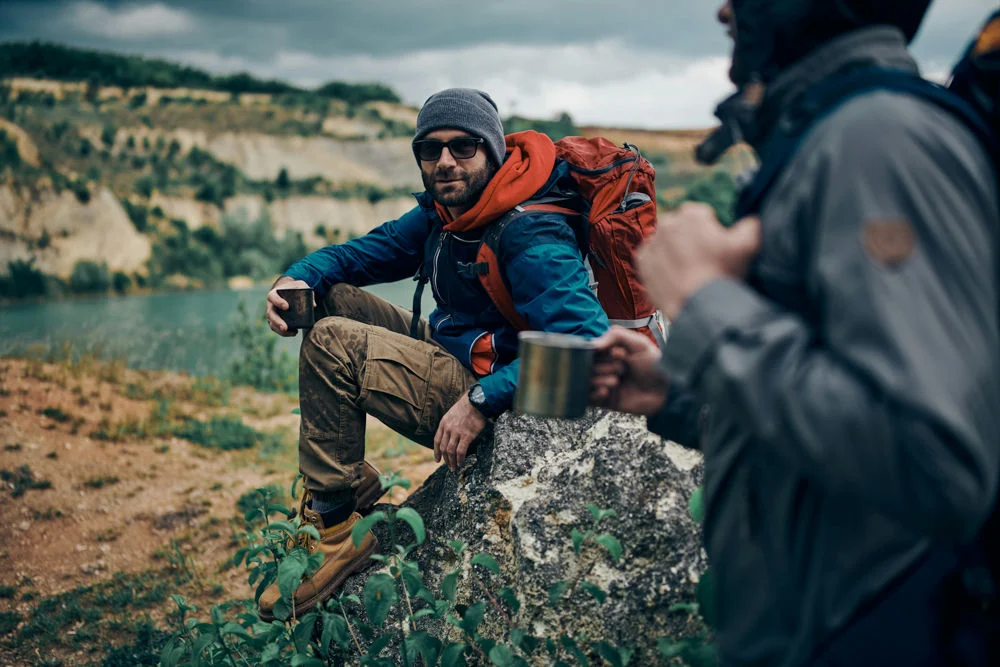
two men hiking as part of experiential therapy

Spero Recovery’s men’s residential program in Evergreen, Colorado, is built around the belief that healing happens in community and in nature. Our program’s outdoor experiential therapy component is a core part of what makes this approach uniquely effective.

Spero Recovery’s Unique Approach to Experiential Therapy

Spero Recovery integrates outdoor activities into a comprehensive treatment model that includes individual therapy, group therapy, and evidence-based clinical care. Outdoor experiences are not add-ons; they are intentional therapeutic tools guided by trained staff.

Our program is designed specifically for adult men, with activities and therapeutic approaches tailored to the unique challenges men face in recovery. Every outdoor experience is connected to broader treatment goals, ensuring that fun and healing go hand in hand.

Year-Round Fun Sober Activities in Colorado’s Mountains

Evergreen, Colorado, offers an extraordinary natural setting for year-round outdoor therapy. From summer hikes and water activities to winter snowshoeing and wilderness camping, men at Spero Recovery have access to a full calendar of outdoor experiences.

Colorado’s mountains provide both the beauty and the challenge that make outdoor therapy so effective. The environment itself becomes part of the treatment, offering daily reminders of the strength and possibility that recovery holds.

How to Get Started With Spero Recovery’s Outdoor Programs

Getting started with Spero Recovery is straightforward and supportive. Our admissions team is available to answer questions, verify insurance, and guide men and their families through the process of beginning treatment.

Spero Recovery is committed to making high-quality, experiential addiction treatment accessible to men who need it. Whether someone is just beginning to consider treatment or is ready to take the next step, Spero Recovery is here to help. Contact us today.

Frequently Asked Questions

The most common fun sober activities used in experiential therapy include hiking, rock climbing, kayaking, snowshoeing, and wilderness camping. These activities are chosen for their ability to build emotional resilience, social connection, and practical coping skills in a natural setting.

Outdoor fun sober activities support long-term sobriety by providing healthy alternatives to substance use through stress relief, social connection, and a sense of accomplishment. Men who build these habits during treatment are more likely to maintain them after discharge, meaningfully reducing the risk of relapse.

Yes, outdoor activities in a therapeutic setting are carefully supervised and adapted to each participant’s physical ability and stage of recovery. All activities are guided by trained staff who ensure an appropriate level of challenge without unnecessary risk.

Family involvement varies by program, and Spero Recovery can provide specific guidance on how family members can support their loved one’s recovery journey. Reaching out to the admissions team is the best way to get accurate, personalized information.

Spero Recovery incorporates outdoor experiential therapy as a structured component of its men’s residential program in Evergreen, Colorado. Activities are integrated with clinical treatment goals and guided by trained staff to ensure each experience directly supports the broader recovery process.


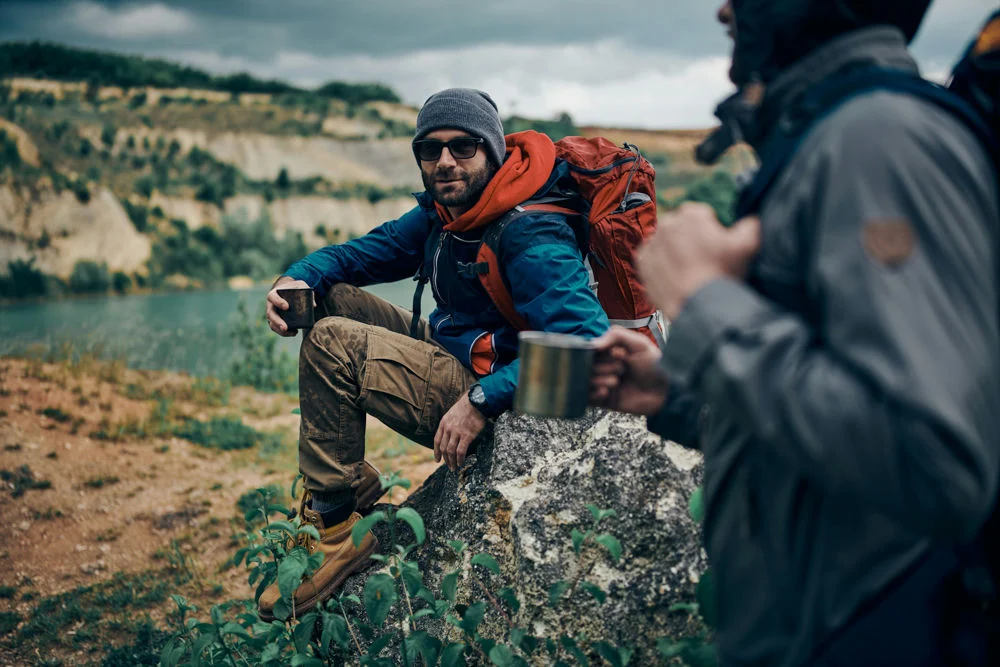
Outdoor Activities That Support Experiential Therapy in Recovery

Outdoor activities have become a powerful part of addiction recovery, offering men a hands-on way to heal beyond traditional talk therapy. When combined with structured treatment, nature-based experiences help build emotional strength, reduce stress, and create meaningful connections with others in recovery. These fun sober activities give men in recovery a healthy outlet to process emotions, develop new skills, and rediscover a sense of purpose. For men navigating substance abuse and co-occurring mental health conditions, the outdoors can become a place of genuine transformation.

Spero Recovery, located in Evergreen, Colorado, integrates outdoor experiential therapy into its men's residential program to support whole-person healing. Colorado's mountain setting provides a natural backdrop for year-round activities that reinforce the recovery process in meaningful ways. Whether a man is just beginning his journey or working to maintain long-term sobriety, outdoor therapy offers tools that carry far beyond the treatment setting.

What Is Experiential Therapy in Addiction Recovery?

Experiential therapy is a treatment approach that uses activities, rather than conversation alone, to help individuals explore emotions, trauma, and behavioral patterns. It may include outdoor adventures, creative arts, or role-playing exercises guided by a licensed therapist.

In addiction recovery, this method helps men access feelings that are difficult to express verbally. By engaging the body and mind together, experiential therapy supports deeper emotional processing and lasting behavioral change.

The Importance of Engaging in Fun Sober Activities for Lasting Recovery

Fun sober activities replace the role that substances once played in providing excitement, relief, or social connection. Without healthy alternatives, the risk of relapse increases significantly during early recovery.

Outdoor activities offer a sustainable source of enjoyment and fulfillment. They help men build an identity rooted in health and community rather than substance use, which is essential for long-term sobriety.

What Role Do Outdoor Activities Play in Experiential Therapy?

man hiking through the Colorado mountains during outdoor experiential therapy

Outdoor activities serve as a therapeutic tool when guided by trained professionals within a structured recovery program. They address emotional, social, and physical dimensions of healing simultaneously.

Nature-based activities challenge men to step outside their comfort zones in a safe, supported environment. Overcoming physical challenges in nature mirrors the emotional challenges of recovery, reinforcing the belief that growth is possible.

Each completed activity builds confidence and self-efficacy: two qualities that are often diminished by addiction. Over time, these experiences accumulate into a stronger sense of self and a greater capacity to handle life's difficulties without substances.

Group outdoor activities create shared experiences that naturally build trust and camaraderie. For men in recovery, these bonds are a critical protective factor against relapse.

Isolation is a common struggle in addiction, and group experiences in nature directly counter that pattern. Working together toward a common goal, whether reaching a summit or paddling across a lake, reinforces the value of community in recovery.

Physical activity is consistently linked to improved mood, reduced anxiety, and better sleep, all of which support recovery. Regular outdoor movement helps regulate the brain's reward system, which is often disrupted by substance use.

Active sober living also establishes healthy routines that provide structure and purpose. For men in residential treatment, daily outdoor activity becomes a cornerstone of a balanced, sober lifestyle.

Examples of Outdoor Fun Sober Activities

Outdoor experiential therapy at Spero Recovery encompasses a wide range of activities designed to challenge the body, quiet the mind, and build meaningful connections with peers. These activities are not simply recreational; they are intentionally selected and facilitated by trained clinicians to support specific therapeutic goals, from building confidence and trust to developing mindfulness and emotional regulation.

Hiking and nature walks are among the most accessible and widely used outdoor activities in experiential therapy, requiring no special equipment and adaptable to any fitness level. Hiking can improve cardiovascular health, reduce stress hormones, and boost mood through the release of endorphins.

For men in recovery, regular hikes provide a consistent, low-barrier way to stay active and mentally grounded, and the rhythm of walking supports mindfulness by helping men stay present rather than dwelling on past regrets or future anxieties. Group hikes also build accountability and shared purpose, creating positive memories associated with sobriety and helping men develop a social identity that does not revolve around substance use.

Rock climbing and ropes courses bring a higher level of physical and mental challenge to experiential therapy, making them particularly effective for building confidence, trust, and emotional regulation under pressure. Rock climbing requires focus, problem-solving, and the ability to manage fear, all skills that directly translate to recovery, and each successful climb reinforces the belief that obstacles can be overcome with effort and support. For men who have struggled with low self-worth due to addiction, the tangible achievement of reaching the top of a climb provides concrete evidence of capability and growth, which can be profoundly healing.

Water-based activities bring a unique dimension to experiential therapy, combining physical engagement with the calming effects of being near and on the water, and Colorado's rivers and lakes provide an ideal setting for these experiences. Kayaking, canoeing, and paddleboarding require balance, coordination, and focus, drawing attention away from stress and toward the present moment, while also building a sense of accomplishment and opening the door to lifelong sober hobbies.

Group water activities such as tandem kayaking or group paddling trips require communication and cooperation, reinforcing essential social skills while providing a sense of fun and lightness that reminds men sober life can be genuinely fulfilling.

Recovery does not pause when the seasons change, and neither does outdoor experiential therapy at Spero Recovery, as Colorado's winters offer unique opportunities for men to stay active, engaged, and connected throughout the year. Snowshoeing and winter hiking provide the same mental and physical benefits as warm-weather hiking, with the added challenge of navigating a winter landscape that builds physical endurance and mental toughness. These activities also help men stay active during the winter months, when isolation and seasonal mood changes can increase the risk of relapse, reinforcing the habit of active, sober living year-round.

Camping and wilderness immersion represent some of the most intensive forms of outdoor experiential therapy, stripping away distractions and creating space for deep reflection and genuine connection. Wilderness immersion removes men from the environments and triggers associated with substance use, creating a clean slate for healing, while the simplicity of life in nature helps men reconnect with their values and priorities.

Camping also requires men to manage basic needs, solve problems, and adapt to changing conditions without the crutch of substances, building practical self-sufficiency and reinforcing the belief that challenges can be handled sober—skills that translate directly to everyday recovery and create some of the strongest bonds formed in treatment.

Addressing Co-Occurring Mental Health Conditions With Outdoor Therapy

Many men entering treatment struggle with depression, anxiety, PTSD, or other mental health conditions alongside addiction. Outdoor experiential therapy addresses both simultaneously, making it a valuable component of dual diagnosis treatment.

The physical, emotional, and social benefits of outdoor activity support mental health in ways that medication and talk therapy alone cannot always achieve. For men at Spero Recovery, this integrated approach is central to the healing process. Learn more about how this connects to the broader journey of self-discovery in how experiential therapy can help you find your authentic self.

Experience Outdoor Experiential Therapy at Spero Recovery

two men hiking as part of experiential therapy

Spero Recovery's men's residential program in Evergreen, Colorado, is built around the belief that healing happens in community and in nature. Our program's outdoor experiential therapy component is a core part of what makes this approach uniquely effective.

Spero Recovery's Unique Approach to Experiential Therapy

Spero Recovery integrates outdoor activities into a comprehensive treatment model that includes individual therapy, group therapy, and evidence-based clinical care. Outdoor experiences are not add-ons; they are intentional therapeutic tools guided by trained staff.

Our program is designed specifically for adult men, with activities and therapeutic approaches tailored to the unique challenges men face in recovery. Every outdoor experience is connected to broader treatment goals, ensuring that fun and healing go hand in hand.

Year-Round Fun Sober Activities in Colorado's Mountains

Evergreen, Colorado, offers an extraordinary natural setting for year-round outdoor therapy. From summer hikes and water activities to winter snowshoeing and wilderness camping, men at Spero Recovery have access to a full calendar of outdoor experiences.

Colorado's mountains provide both the beauty and the challenge that make outdoor therapy so effective. The environment itself becomes part of the treatment, offering daily reminders of the strength and possibility that recovery holds.

How to Get Started With Spero Recovery's Outdoor Programs

Getting started with Spero Recovery is straightforward and supportive. Our admissions team is available to answer questions, verify insurance, and guide men and their families through the process of beginning treatment.

Spero Recovery is committed to making high-quality, experiential addiction treatment accessible to men who need it. Whether someone is just beginning to consider treatment or is ready to take the next step, Spero Recovery is here to help. Contact us today.

Frequently Asked Questions

The most common fun sober activities used in experiential therapy include hiking, rock climbing, kayaking, snowshoeing, and wilderness camping. These activities are chosen for their ability to build emotional resilience, social connection, and practical coping skills in a natural setting.

Outdoor fun sober activities support long-term sobriety by providing healthy alternatives to substance use through stress relief, social connection, and a sense of accomplishment. Men who build these habits during treatment are more likely to maintain them after discharge, meaningfully reducing the risk of relapse.

Yes, outdoor activities in a therapeutic setting are carefully supervised and adapted to each participant's physical ability and stage of recovery. All activities are guided by trained staff who ensure an appropriate level of challenge without unnecessary risk.

Family involvement varies by program, and Spero Recovery can provide specific guidance on how family members can support their loved one's recovery journey. Reaching out to the admissions team is the best way to get accurate, personalized information.

Spero Recovery incorporates outdoor experiential therapy as a structured component of its men's residential program in Evergreen, Colorado. Activities are integrated with clinical treatment goals and guided by trained staff to ensure each experience directly supports the broader recovery process.

Related Posts

Accessibility to
Care

Finding care for addiction is important to us at Spero Recovery Center. When we began, our goal was to have a program that served the recovery community for those who didn’t have insurance or couldn’t afford treatment. We believe that access to quality care is a human right. Therefore, we created an option that is the most affordable 30-day recovery program anywhere.

Scroll to Top