Waking up with sore legs, aching muscles, or a whole-body heaviness after drinking is more common than most people realize, and it’s not just “overdoing it.” Body aches after drinking and leg pain after alcohol consumption can both point to real physiological processes that alcohol sets in motion every time you drink.
The causes range from dehydration and electrolyte loss to circulation problems, inflammation, and in more serious cases, liver strain or nerve damage. Understanding what’s happening in your body and what the pain is telling you is the first step toward making a change.
Below, we’ve broken down the specific reasons your legs and body hurt after drinking, how alcohol affects the central nervous system, how to find relief, and when the symptoms you’re experiencing may be a sign of something more serious.
What Causes Body Aches After Drinking?
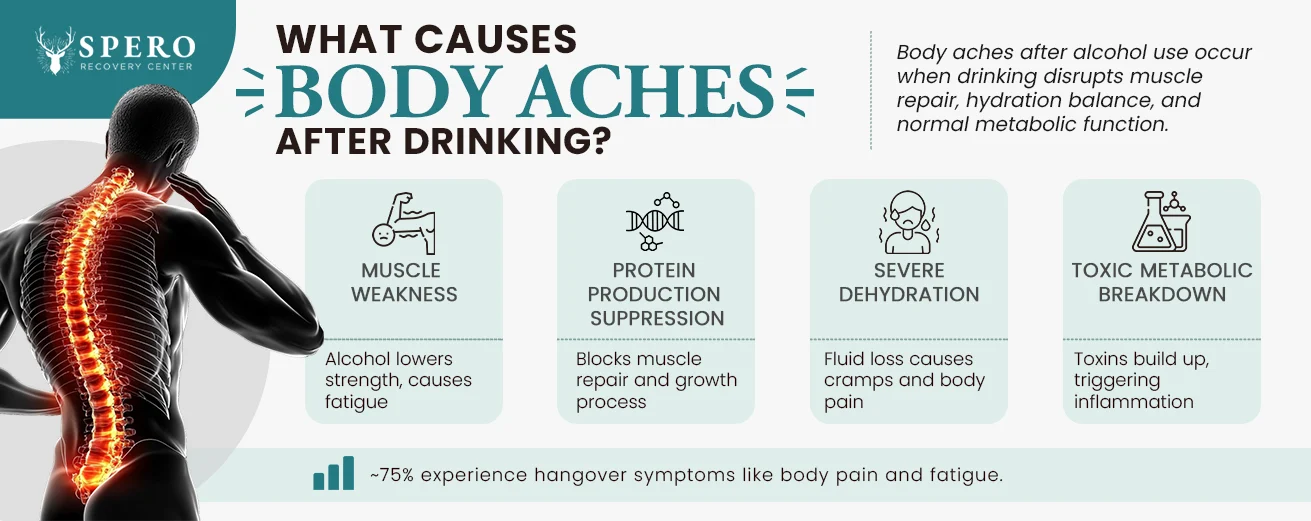
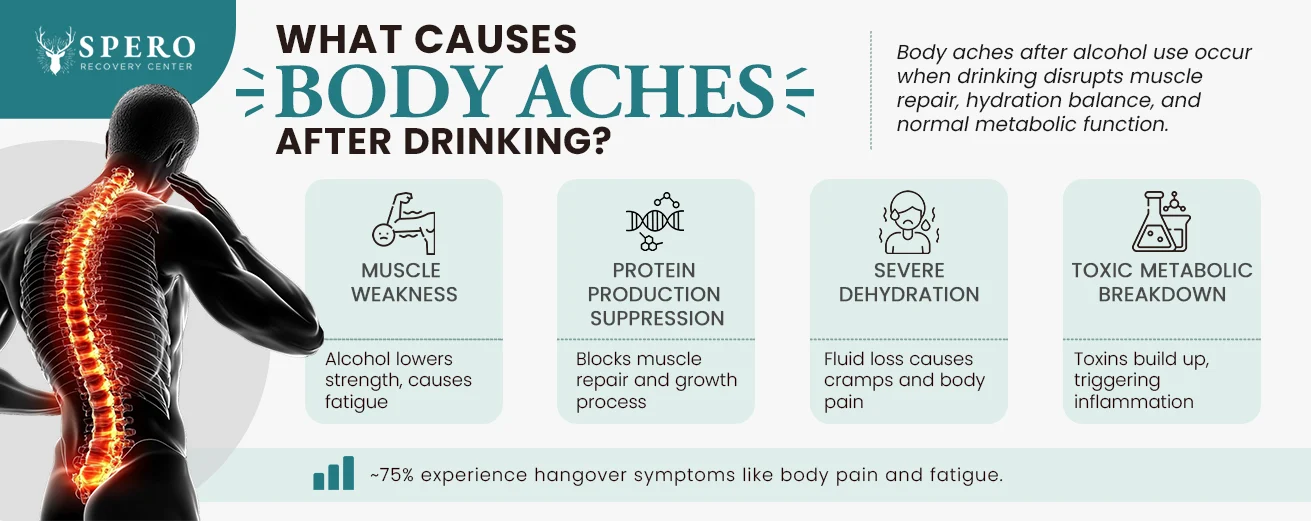
Body aches after drinking aren’t random. Alcohol is a systemic substance. It affects your muscles, organs, nervous system, and fluid balance simultaneously. When you feel sore or achy the morning after drinking, or even while drinking, your body is responding to several overlapping stressors at once. Here are the most common causes:
Generally speaking, alcohol negatively affects muscle tissue and causes muscle loss with prolonged consumption. These effects are felt more by some than others. Similarly, muscular responses and reactions vary for everyone. Therefore, having pains and body aches after drinking can indicate your muscles are more sensitive to these alcoholic toxins than others. Or worse, it can indicate an underlying muscular health issue.
Proteins are necessary to maintain and increase muscle mass as well as support other vital functions. Alcohol consumption inhibits the production of these vital proteins, affecting joints, muscles, and tissues throughout the body, causing body aches. With prolonged use, protein deficiency can become a permanent health problem that requires medication-assisted supplements to aid protein recovery.
Alcohol soaks up all of the water content in your body, in conjunction with being a known diuretic. Couple that with the fact that most drinkers rarely have sufficient water intake, and you have a double-edged sword. When your muscles and organs aren’t getting the water they need to function, these areas of the body will experience cramps, soreness, and aching. This is your body’s way of telling you it needs more water and less alcohol.
As the body breaks down and metabolizes alcohol, its toxins can cause pain throughout the body. These pains can occur in the stomach, arms, legs, or anywhere in the body. Alcoholic toxin-related ache locations vary per individual and depend on individual factors such as medical history, underlying health conditions, and addiction severity.
The full-body soreness and aching that arrives with a hangover, the feeling that even your skin hurts, has a specific physiological explanation. Alcohol elevates cytokine levels, which are immune-signaling proteins the body releases in response to what it perceives as a threat. Elevated cytokines produce the same systemic aching, fatigue, and sensitivity you’d feel at the onset of a flu. Your whole body feels bruised because, biochemically, it’s in a low-grade inflammatory state.
This is why hangover body aches tend to be diffuse and difficult to locate precisely; they’re not coming from a specific muscle or joint but from a system-wide immune response. Heavy or frequent drinkers experience this more intensely over time as the body’s inflammatory baseline rises.
Muscle aches after drinking can feel similar to post-workout soreness, but they’re caused by a different mechanism. Exercise-related soreness comes from microscopic muscle fiber tears that repair and grow stronger. Alcohol-related muscle soreness comes from toxin exposure, lactic acid buildup, depleted electrolytes, and suppressed protein synthesis — all of which break down muscle without rebuilding it. Drinking regularly can actually impair muscle recovery and growth even in people who exercise frequently, because alcohol blocks the protein synthesis pathways the body uses to repair tissue.
Why Do My Legs Hurt After Drinking Alcohol?
It is common for the toxins in alcohol to induce an inflammatory response in the body, especially in the legs. Alcohol in itself is an agitator of the muscular and central nervous system. If one’s body does not react well to drinking, it can trigger inflammation in any part of the body. This inflammation, depending on where it occurs in the body, can produce apparent red spots, burning sensations, and aches, especially in the legs. Please note that if the inflammation is deep or concealed enough, skin rashes and redness may not be visible.
Alcohol consumption can accelerate your heart rate while simultaneously lowering blood pressure. This is an unhealthy combination that induces poor circulation, commonly felt in the legs. Individuals experiencing poor leg circulation as a result of drinking will feel leg aches, pains, numbness, or cramps. This can also be accompanied by a condition known as restless leg syndrome, or RLS for short. These short-term circulation problems can mutate into long-term problems like blood clots or other health issues with prolonged drinking habits.
Alcohol soaks up a lot of the nutrients your body needs to maintain healthy circulatory and muscle functions. Many of these functions intertwine in the legs, causing leg pain in the presence of these nutritional deficiencies. This also can cause difficulty standing or shaky legs, depending on the severity. If you’re experiencing anywhere from minor to severe leg pain after drinking, it’s a strong indication that you should stop drinking and consult a physician immediately.
Your body can only break down so much alcohol before it is expelled from the body. With your metabolism working overtime, especially with prolonged use, the aid of lactic acids can become overstimulated. These acids cause muscle soreness, especially throughout the legs, accelerating the process of tearing down your muscles. This, in turn, causes extended muscle fatigue and low energy levels that make walking even more difficult.
Electrolytes such as potassium and sodium are vital fuels to keep your leg muscles ripe and ready. Alcohol suppresses these vital chemicals, causing leg fatigue, cramps, and aches throughout. This often occurs in conjunction with limited water intake, which accelerates electrolyte deficiencies and leg soreness. Cessation from drinking, combined with adequate water intake in most cases, is enough to reverse these deficiencies and restore normal electrolyte levels.
Leg pain and liver damage are frequently synonymous with one another. This means any lingering leg pain can often be an indication of some form of liver damage. This is especially the case with leg fatigue, aches, and soreness. Liver damage occurs because alcohol puts excessive strain on liver functions as it struggles to keep up with alcohol intake. Once it has processed all it can process, it sends the rest to the kidneys. Your kidneys can only take so much before permanent liver damage is caused, which coincides with kidney-related leg pain. This is why experiencing any sort of leg pain in coordination with a drinking problem should be met with swift action.
Leg cramps after drinking are among the most common complaints associated with alcohol consumption, particularly at night or during sleep. The reason is straightforward: alcohol depletes the three electrolytes most critical to muscle function — potassium, magnesium, and sodium. When any of these drop below the threshold, your muscles need to contract and release properly; involuntary cramping follows.
To prevent leg cramps after drinking:
- Drink one glass of water for every alcoholic drink consumed
- Eat a potassium- and magnesium-rich meal before or during drinking (bananas, avocado, dark leafy greens, nuts)
- Have an electrolyte drink before bed after a night of drinking
- Stretch your calves and hamstrings before sleep
Persistent leg cramps that occur every time you drink or that wake you from sleep regularly are worth discussing with a physician. They can indicate worsening electrolyte imbalance or early signs of alcohol-related myopathy.
How to Relieve Body Aches and Leg Pain After Drinking
If you’re already experiencing leg pain or body aches after drinking, these steps can help reduce discomfort during recovery:
Alcohol is a diuretic. It causes your body to expel far more fluid than you take in. Dehydration is the most direct cause of next-day muscle cramping and achiness. Drink water steadily throughout the day, not all at once. Coconut water or a low-sugar electrolyte drink can help replace sodium and potassium more efficiently than water alone.
Potassium, magnesium, and sodium are all depleted by alcohol and are directly responsible for muscle cramps and leg soreness. Foods like bananas, avocado, leafy greens, nuts, and broth can help restore these levels naturally. If symptoms are severe, an oral electrolyte solution works faster.
Light stretching, especially of the calves, hamstrings, and lower back, can relieve cramping and improve blood flow to sore muscles. Avoid intense exercise while hungover, as your body is already in a state of physiological stress. A short, gentle walk is beneficial; a hard workout can deepen the depletion.
Food slows alcohol absorption and reduces the intensity of its effects on your muscles and organs. A meal with protein, healthy fats, and complex carbohydrates before drinking — or even before sleep — can reduce the severity of body aches the next day.
Ibuprofen can reduce inflammation-related soreness, but it should be used cautiously. It can irritate the stomach lining, which alcohol has already stressed. Acetaminophen (Tylenol) should be avoided after heavy drinking as the combination can cause liver damage. Consult a pharmacist or physician if you’re unsure what’s safe for you.
When Body Aches and Leg Pain After Drinking Are a Warning Sign
Occasional leg pain or body soreness after a night of drinking is common and usually resolves within a day or two. But some patterns of pain are worth taking seriously. The following symptoms, particularly when they occur regularly or worsen over time, should prompt a conversation with a physician:
Chronic heavy drinking can cause alcoholic myopathy, a form of muscle disease directly caused by alcohol’s toxic effect on muscle tissue. Symptoms include progressive muscle weakness (especially in the thighs, hips, and shoulders), persistent pain, and muscle wasting over time. Unlike hangover soreness, alcoholic myopathy does not resolve with hydration or rest. It worsens with continued drinking and, if left untreated, can become permanent.
Alcohol-induced peripheral neuropathy is nerve damage in the extremities caused by a combination of alcohol’s neurotoxic effects and nutritional deficiencies (particularly B vitamins) common in heavy drinkers. Symptoms include burning, tingling, numbness, or shooting pain in the legs and feet. The pain may be worse at night and can progress to weakness and balance problems if drinking continues.
Pain or discomfort in the upper right abdomen, fatigue, and fluid retention in the legs (edema) can all be signs of liver stress or damage. These symptoms in someone who drinks heavily should be evaluated promptly — early liver disease is often reversible with abstinence, but advanced liver damage is not.
Seek medical attention if you experience:
- Leg or body pain that persists for more than 48–72 hours after drinking
- Leg weakness or difficulty walking
- Burning or tingling sensations in the legs or feet
- Swollen legs or ankles (edema)
- Muscle weakness that is getting progressively worse over weeks or months
- Pain in the upper right abdomen that occurs after or during drinking
These symptoms don’t necessarily mean your drinking has caused permanent damage, but they do mean your body is telling you something that deserves professional attention.
How Does Alcohol Impact the Central Nervous System?
While alcohol is a major hindrance to vital organs, little is talked about regarding its severe impact on short-term and long-term nervous system complications. Here are just a few of its negative effects on the central nervous system.
Yes, insulin is produced predominantly in the pancreas. However, it is a hormone that directly affects neurotransmitter stimulation and release of vital central nervous system functions. This means alcohol blocks insulin receptors in the brain, resulting in central nervous system misfires. For example, insulin suppression caused by alcohol trickles down into neurotransmitter suppression, affecting focus, cognitive functions, and pain regulators. If these insulin deficiencies are bad enough, they can lead to serious diabetes conditions that require daily insulin shots.
The body considers alcohol a foreign agent or toxin to the body. When digested, it slows cognitive response and reactions due to the broken nerve cell communication. Put simply, alcohol not only makes you slur your words incomprehensibly, but it also renders your cells incapable of communicating with one another. As a CNS depressant, alcohol permanently damages the central nervous system over time, causing irreversible conditions such as Parkinson’s disease.
The central nervous system plays a key role in cravings for addiction sufferers. When an addicted individual stops drinking, the central nervous system sends false signals across the body that it ‘needs’ a dose of the substance. These CNS cravings trigger uncomfortable and painful withdrawal symptoms. This is your central nervous system begging for another drink. Rest assured, our men’s residential program has just the help you need to overcome these early short-term withdrawal symptoms.
How Spero Recovery’s Men’s Residential Program Helps You Heal
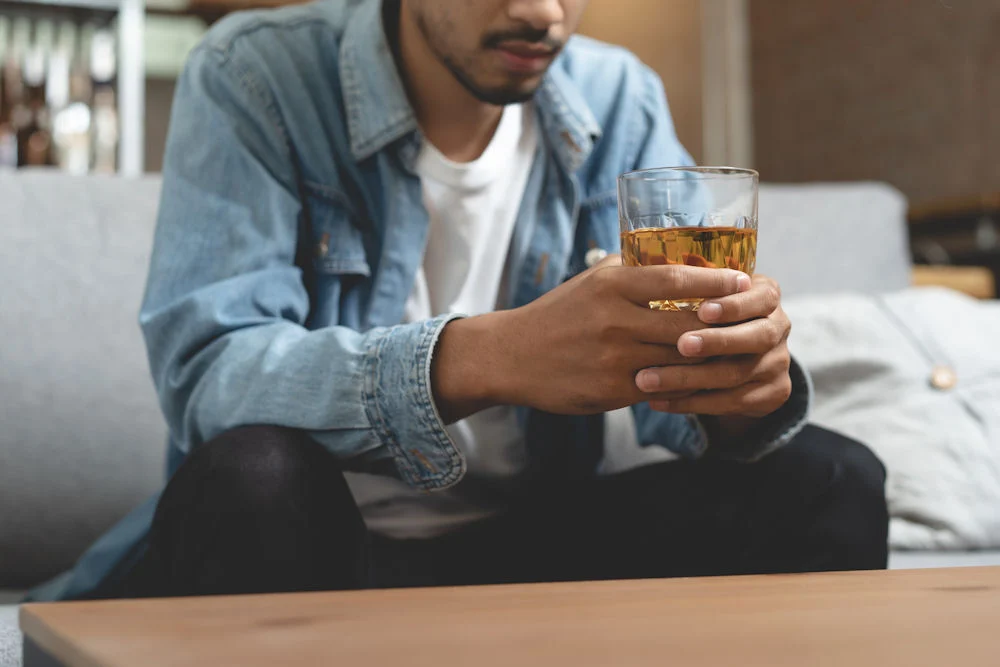
Chronic leg pain, body aches, and muscle weakness from drinking aren’t just uncomfortable; they’re signs that alcohol is doing real damage. The good news is that most of these effects are reversible with the right support and sustained sobriety.
Spero Recovery’s men’s residential program in Colorado is built around whole-person healing. That means addressing not just the physical toll alcohol takes on your body, but the underlying patterns that make it hard to stop. In a structured residential setting, your body has the time and support it needs to actually recover, proper nutrition, sleep, movement, and medical oversight, while you do the deeper work of understanding your relationship with alcohol.
Spero Recovery’s number one priority is twofold: your health and your sobriety. Both go hand-in-hand with having full access to every recovery resource at your disposal when you need it, not on a waitlist. You’ll never feel like support is out of reach in our residential program.
Spero Recovery ensures your connections are surrounded by our caring team and patients who make up a collective family unit. As a closely connected community, we encourage, boost, and support one another in a family-friendly environment that works together for each other’s sobriety. With support being the most important recovery asset, our support team gives you the confidence to rise above recovery challenges.
Spero’s men’s recovery model involves a focus on enjoying the rehab journey. We believe rehab should be a fun, exciting, and memorable experience for everybody involved. That’s why we provide a wide variety of enjoyable activities and hobbies to occupy your time. While fun is a focus, this focus is methodical because the primary key to addiction recovery is addiction habit replacement. It’s not just fun for the sake of fun. It’s about helping you replace your drinking habit with a daily hobby or activity.
Our clinical team brings specialized expertise in alcohol addiction, co-occurring mental health conditions, and the physical effects of long-term drinking. You’ll have direct access to licensed professionals who can speak to what’s happening in your body, guide you through evidence-based treatment, and support your long-term sobriety well beyond your time in residential care.
Frequently Asked Questions About Body Aches and Leg Pain After Drinking
Leg pain after drinking is most commonly caused by a combination of dehydration, electrolyte depletion (especially potassium and magnesium), poor circulation, and inflammatory responses to alcohol. Alcohol is a diuretic that depletes the fluids and minerals your leg muscles need to function properly, which leads to cramping, aching, and fatigue. In chronic heavy drinkers, leg pain can also signal more serious conditions like alcoholic myopathy, peripheral neuropathy, or liver-related problems.
Whole-body soreness after drinking is largely driven by an immune response. Alcohol elevates cytokine levels — inflammatory proteins the body releases in response to toxins — which produce a diffuse, flu-like achiness throughout the body. This is compounded by dehydration, lactic acid buildup in muscles, suppressed protein synthesis, and disrupted sleep, all of which prevent the body from recovering normally overnight.
You don’t need to be physically active for alcohol to cause muscle soreness. Alcohol depletes electrolytes, disrupts protein synthesis, causes dehydration, and triggers system-wide inflammation — all of which produce soreness independently of physical activity. Many people experience body aches after drinking without any exercise at all, particularly after heavier or more frequent drinking.
In most cases, hangover-related body aches and leg pain resolve within 24–48 hours once the alcohol has cleared your system and you’ve rehydrated and rested. If pain persists beyond 72 hours, or if you notice symptoms like muscle weakness, burning or tingling in the legs, or swelling, it’s worth seeing a doctor. Recurring pain that happens every time you drink and isn’t resolving can indicate alcohol-related muscle or nerve damage.
Yes — alcohol is one of the most common causes of leg cramps, particularly at night. It depletes potassium, magnesium, and sodium, which are the electrolytes muscles rely on to contract and relax properly. When these drop below functional levels, the muscles in the legs are particularly susceptible to involuntary cramping. Staying hydrated and replenishing electrolytes before bed can help prevent cramps after drinking.
The most effective remedies are rehydration (water or electrolyte drinks), replenishing potassium and magnesium through food or supplements, light stretching, and rest. Eating before or during drinking also reduces the severity of next-day symptoms. Ibuprofen can help with inflammation-related soreness, but avoid acetaminophen (Tylenol) after heavy drinking, as the combination can stress the liver. If symptoms are severe or recurring, speak with a physician.
Leg pain alone is not a reliable indicator of liver damage, but it can be a contributing symptom. Liver-related leg issues typically present as edema (fluid retention and swelling in the legs) rather than sharp or cramping pain. Other signs that suggest liver involvement include upper right abdominal pain or discomfort, yellowing of the skin or eyes, fatigue, and dark urine. If you drink heavily and experience these symptoms together, see a doctor promptly.
See a doctor if your leg pain or body aches persist for more than 2–3 days after drinking, occur every time you drink, include weakness, tingling, or numbness, involve visible swelling in the legs or ankles, or are worsening over time. These patterns can indicate conditions like alcoholic myopathy or peripheral neuropathy that require medical evaluation and — most importantly — a serious look at your relationship with alcohol.
If Your Body Is Telling You Something, Spero Recovery Is Here to Listen
Leg pain after drinking. Body aches the morning after. Soreness that’s becoming familiar. These aren’t just the cost of a night out — they’re your body’s way of signaling that something is wrong. For many men, physical symptoms like these are the first concrete sign that their relationship with alcohol has crossed a line.
At Spero Recovery, we work with men who are ready to take that signal seriously. Our men’s residential program in Colorado addresses alcohol addiction at its root. Not just the physical symptoms, but the patterns, the underlying causes, and the tools needed to build a life that doesn’t depend on alcohol. You don’t have to wait until the damage is permanent.
Reach out to our team today. The call is confidential, and there’s no obligation, just an honest conversation about where you are and what’s possible.